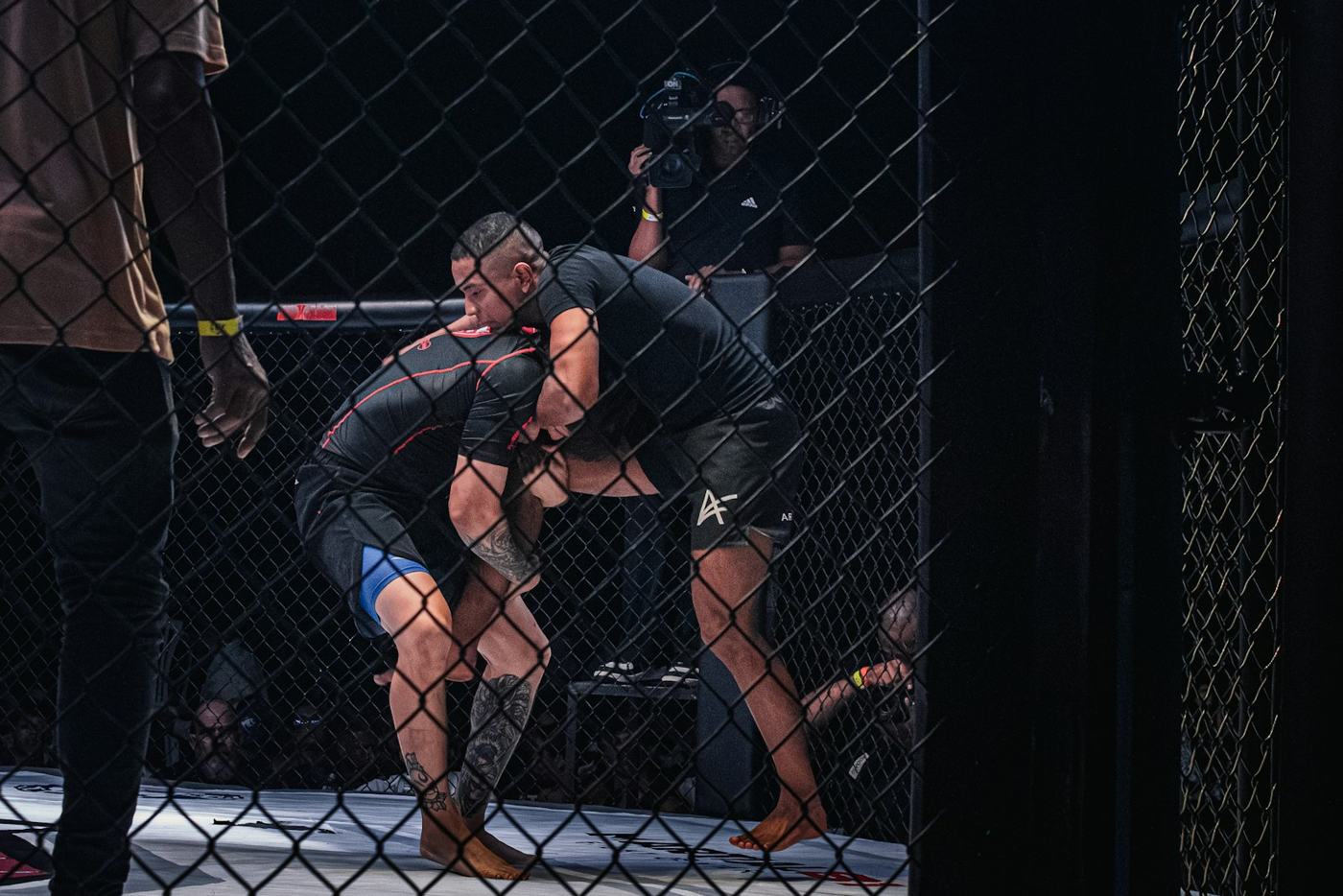
UFC weight classes in order for men are flyweight, bantamweight, featherweight, lightweight, welterweight, middleweight, light heavyweight, and heavyweight; the listed women’s divisions are strawweight, flyweight, and bantamweight. UFC rankings Each class has a scale limit, and the difference between that limit and your normal body weight matters when you plan a fight.
UFC weight classes in order (lbs and kg)
| UFC division | Limit (lb) | Limit (kg) | Who fights here |
|---|---|---|---|
| Strawweight | 115 | 52.2 | Women |
| Flyweight | 125 | 56.7 | Men and women |
| Bantamweight | 135 | 61.2 | Men and women |
| Featherweight | 145 | 65.8 | Men |
| Lightweight | 155 | 70.3 | Men |
| Welterweight | 170 | 77.1 | Men |
| Middleweight | 185 | 83.9 | Men |
| Light Heavyweight | 205 | 93.0 | Men |
| Heavyweight | 265 | 120.2 | Men |
Source: UFC. Kilograms converted from pounds.
Use the table to compare division limits in pounds and kilograms. Check which unit your gym scale uses so you do not mistake a conversion for a different weight class.
A class limit is not necessarily a good target for your body. You may train above it, but that alone does not mean cutting down is sensible. Look at the gap between your normal weight and the limit, along with your training and recovery.
The men’s and women’s lists differ. Check the right category before choosing a division, and do not confuse UFC divisions with every class that appears in a wider MMA rulebook.
If you follow a UFC card, division names tell you the planned matchup, not how much weight either fighter carries in everyday life. Do not use a professional fighter’s division as a shortcut for choosing your own. Your amateur event may have different rules and contract terms. Start with your healthy training weight and the limit confirmed by your organizer.
MMA weight classes under the Unified Rules (lbs and kg)
| # | Unified Rules class | Upper limit (lb) | Upper limit (kg) |
|---|---|---|---|
| 1 | Atomweight | 105 | 47.6 |
| 2 | Strawweight | 115 | 52.2 |
| 3 | Flyweight | 125 | 56.7 |
| 4 | Bantamweight | 135 | 61.2 |
| 5 | Featherweight | 145 | 65.8 |
| 6 | Lightweight | 155 | 70.3 |
| 7 | Super Lightweight | 165 | 74.8 |
| 8 | Welterweight | 170 | 77.1 |
| 9 | Super Welterweight | 175 | 79.4 |
| 10 | Middleweight | 185 | 83.9 |
| 11 | Super Middleweight | 195 | 88.5 |
| 12 | Light Heavyweight | 205 | 93.0 |
| 13 | Cruiserweight | 225 | 102.1 |
| 14 | Heavyweight | 265 | 120.2 |
| 15 | Super Heavyweight | over 265 | over 120.2 |
Source: ABC Unified Rules of MMA, amended Aug 2026. Kilograms converted from pounds.
The Association of Boxing Commissions’ Unified Rules text lists 15 classes, from atomweight at up to 105 lb to super heavyweight above 265 lb with no upper limit; it includes rule changes dated August 5, 2026, with requested implementation in November 2027. ABC Unified Rules
The Unified Rules table is broader because a rulebook can describe divisions that a particular promotion does not feature. A class appearing in the rulebook does not mean it is an active UFC division.
The word super does not mean more skilled or a special championship level. Super lightweight, super welterweight, and super middleweight name divisions between other familiar classes. Super heavyweight names the division beyond heavyweight.
Read each range carefully. “Over” excludes the lower boundary, while “up to” includes the upper boundary. For fights outside the UFC, confirm which class list and contract terms your event uses.
How do UFC weigh-ins work?
UFC official weigh-ins take place the day before fight night, with fighters weighing between 9 a.m. and 11 a.m. local time; depending on the state athletic commission, someone who misses the first attempt may receive up to one additional hour to make weight. UFC weigh-in rules
Focus on the official scale result, not the public faceoff or how a fighter looks on stage. If you are traveling, check the event’s local time against your phone calendar and confirm where to report.
Do not build your plan around another attempt. It may not be available, and a last-minute rush can leave you with fewer safe choices. After the scale, give yourself time for fluids, food, and rest.
Think about the weigh-in as part of the entire fight schedule. Making the target is not the end of your preparation. You still need to feel alert and able to perform when the fight starts. A lower scale reading is not useful if the effort to reach it leaves you exhausted.
Is there a 1 pound UFC weigh-in allowance?
For UFC non-title fights, a fighter may weigh 1 lb above the division limit, so a lightweight can make weight at 156 lb; in title fights, the fighter must weigh at or below the exact 155 lb limit. UFC weight allowances
The ABC’s committee called the non-title allowance an “unwritten custom” in 2009 and recommended using it only when a written bout contract or regulation permits it. ABC committee report
Rule check: An allowance is not a new division. For planning, write down the contracted target rather than assuming an overage will be accepted.
Your amateur event may take a different approach. Ask the organizer what the contract allows and which commission makes the final call.
What happens if a UFC fighter misses weight?
Missing a target affects both fighters. Be prepared for discussions about a possible purse deduction, an agreed catchweight, or whether the bout will be cancelled. Do not assume that any proposed solution will save the fight.
Under the Unified Rules, if a fighter misses the contracted weight and the opponents end up in different weight classes, the heavier fighter cannot be more than 5 lb above the lighter fighter; a prearranged catchweight has no weight-spread allowance when both are under the contracted weight, and a commission can reject the matchup on safety grounds. ABC Unified Rules
A catchweight is an agreed target for a particular bout, not a permanent division. The fighters may agree, but that does not settle the safety question.
A title bout puts the championship at stake as well as the match. Do not count on negotiation after a miss. Choose a class you can reach while still ready to fight.
How should an amateur MMA fighter choose a weight class?
Start with your normal, hydrated walk-around weight, not the lowest number you have seen after hard training. Compare it with the division limit before agreeing to a fight.
Ask whether you can approach that target gradually without hurting training or recovery. If the gap is large, consider the higher class instead of trying to force a difficult cut.
| Check before choosing | What to ask |
|---|---|
| Normal weight | Am I comparing a typical hydrated weight with the limit? |
| Training | Can I still drill, spar, lift, and recover well? |
| Time | Do I have room for a gradual approach? |
| After the scale | Can I refuel without rushing or feeling sick? |
| Event rules | Have I confirmed the contract and commission requirements? |
Work with a qualified sports dietitian or healthcare professional. Tell your coach if your energy, concentration, or training quality slips.
Track how you feel during regular training, not just whether the number on the scale moves. Can you finish practice with focus? Do your meals leave you fueled for the next session? Is your sleep getting worse as you try to get lighter?
These questions cannot choose an official class for you, but they can help you recognize when a plan is becoming too aggressive. If you struggle, discuss a higher target with your coach and a qualified professional.
Safety: Saunas, sweat suits, diuretics, laxatives, vomiting, and cutting off water are dangerous ways to chase a scale reading. Do not risk your health for a division that does not fit you.
Plan for food, fluids, and rest after the scale. Recovery is not guaranteed, so choose a class with fight night in mind.
What should you do next?
Use the weight cut calculator to compare your weight with a class limit, then check the date with the weigh-in countdown. Neither tool can tell you whether a cut is safe for your body.
Compare PFL weight classes and boxing weight classes if you compete elsewhere. Wrestlers can also read the guide to cutting weight for wrestling for a different rules context.
CutCoach builds a day by day plan for calories, water, meals, and refueling after the scale using your weight, weight class, and weigh-in date. It is available on iPhone and Android. A plan should support a safe decision, not push you into an unsafe cut.