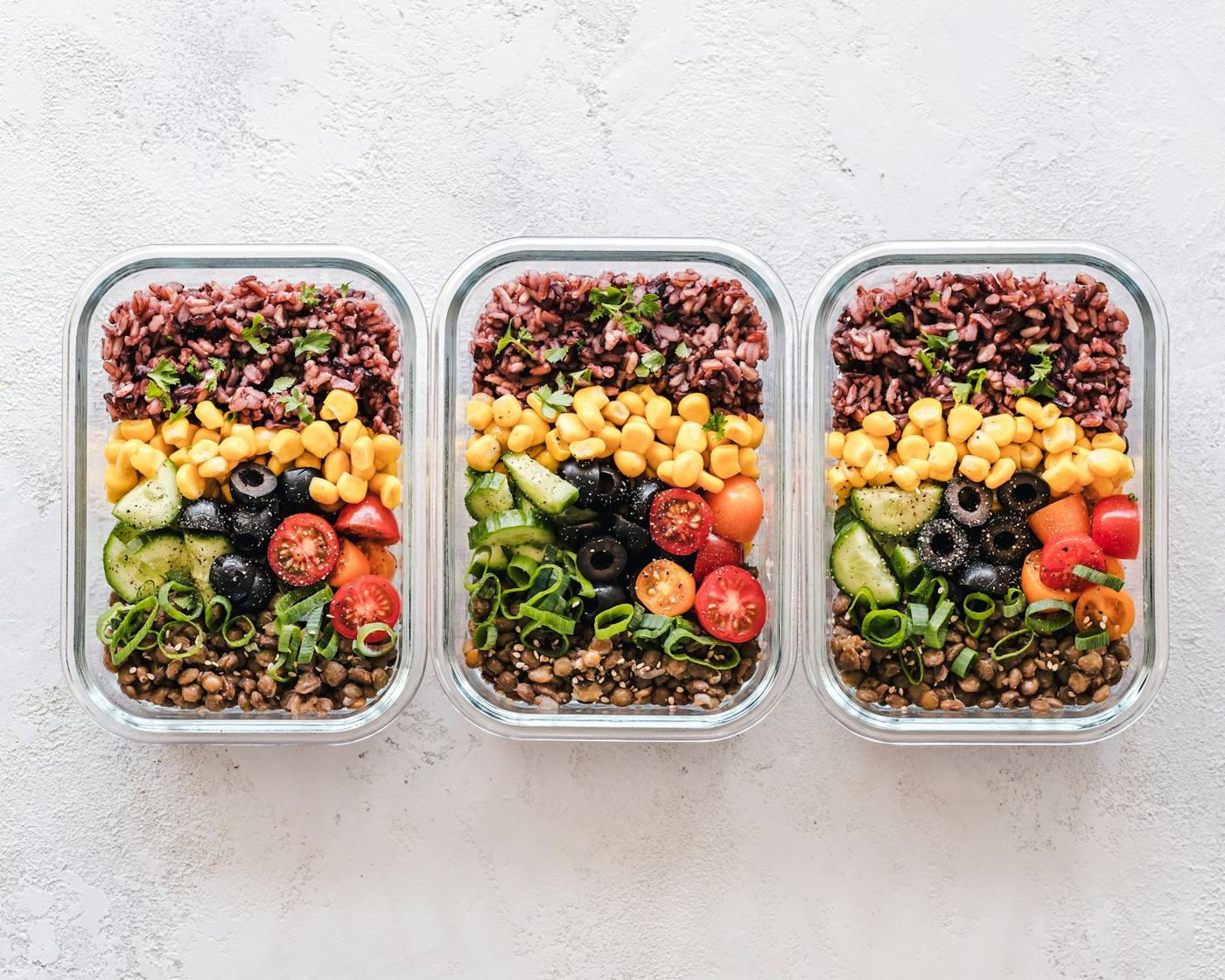
After a day-before weigh-in, start with an oral rehydration drink, follow it with easy carbohydrates, then move to familiar, low-fiber meals. Rice, pasta, potatoes, white bread, fruit juice, and lean meat are practical choices. Eat and drink in stages so you can refuel without upsetting your stomach.
What should fighters eat after a day-before weigh-in?
The goal is to arrive at the fight feeling fueled, comfortable, and ready to move. Recovery also depends on what you drink and eat later.
Think of your recovery as a simple sequence:
- Rehydrate first. Choose an oral rehydration solution that contains electrolytes, especially sodium. Sip it at a pace your stomach tolerates.
- Add easy carbs. Fruit juice, white bread, rice cakes, or a simple sports drink can help you begin replacing energy without a heavy meal.
- Return to regular meals. Move toward rice, potatoes, or pasta with lean meat. Keep portions manageable and choose foods you already eat during training.
- Keep checking how you feel. If you are bloated or nauseated, do not force another large meal. Slow down and seek medical advice if symptoms persist.
Use the full recovery window instead of trying to eat everything at once.
This approach is mainly for events with a weigh-in the day before. If you compete soon after the scale, large water cuts leave less time to recover. For a broader look at preparing for the scale, read the MMA weight cut guide.
Which combat sports weigh in the day before competition?
The time between your weigh-in and first bout shapes what you can comfortably eat and drink. Check your event’s actual schedule rather than assuming every promotion uses the same rules.
| Event or organization | Official weigh-in timing |
|---|---|
| UFC | Day before fight night, from 9 to 11 a.m. local time UFC |
| PFL | Day before the event PFL |
| IBF championship boxing | Between 20 and 30 hours before the bout IBF |
| IJF judo | Day before competition, starting at 16:00 local time for 30 to 60 minutes IJF |
A day-before weigh-in gives you time for several lighter meals and steady fluid intake. But leave room for any fight-day weight limit.
You can check the UFC weight classes, boxing weight classes, and judo weight classes before planning your recovery.
What to drink and eat in the first hour after weigh-ins
Start with fluids you tolerate and let your stomach settle.
The International Society of Sports Nutrition recommends prioritizing oral rehydration solution at 1 to 1.5 liters per hour, then adding fast-acting carbs at a tolerable rate of up to 60 grams per hour while keeping fiber low. ISSN
These are guidance ranges, not a challenge to finish a huge bottle. Do not force fluid if it makes you uncomfortable.
A sports medicine guideline suggests about 1.25 to 1.5 liters of fluid for each kilogram (2.2 lb) of body weight lost, spread across the available recovery time and taken with sodium. ACSM
Sodium from foods and drinks helps your body keep the fluid you take in, while a severe fluid deficit may still be hard to fully correct before competition. Sports nutrition position
Practical choices include an oral rehydration drink, plain crackers, white toast, juice, and small portions of rice. Add food gradually. If you feel sick, stop trying to chase a number on the scale and get help from your event’s medical staff.
Use the rehydration calculator to organize a fluid plan rather than guessing or chugging drinks.
What to eat for dinner and snacks after weigh-ins
Once you can drink and eat comfortably, dinner should look more like a normal training meal than a feast. Build it around carbohydrate foods and add a lean protein you know sits well.
Some simple meal combinations are:
- White rice with chicken and a little familiar sauce.
- Pasta with lean meat and a light topping.
- Baked or boiled potatoes with fish or chicken.
- White bread with a familiar lean filling.
- Toast or crackers with juice as an easy snack.
- A smaller serving of rice or pasta later if you are hungry.
Carbohydrates help refill fuel stores that may have been lowered during fight week. Your exact needs depend on how much you restricted food and carbs before weighing in.
The ISSN suggests 8 to 12 grams of carbs per kilogram after major carb depletion or 4 to 7 grams after a smaller cut; it also says replacing 125% to 150% of sweat loss is easier over 24 to 36 hours than after a same-day weigh-in. ISSN
Do not force-feed yourself to reach a target. A sports dietitian can help adapt it to your cut.
Keep the meal lower in fiber so food moves through your stomach comfortably. Large salads, heaps of beans, rich fried meals, and unfamiliar sauces are poor choices when your stomach is already stressed. If you normally handle a certain food well, that matters more than copying a professional fighter’s dinner.
Pack familiar snacks so you are not stuck with heavy restaurant food.
What should a fighter eat on fight morning?
Fight morning is for topping up, not catching up on everything you missed after the scale. Choose a small, familiar meal that gives you energy without making your stomach feel full.
A practical breakfast could be white toast with a familiar spread, rice with a little lean meat, or a small bowl of plain pasta. Fruit juice or a drink you tolerate can go with it. The best choice is something you have already eaten before hard training.
Continue drinking according to thirst and your recovery plan. You should not try to solve a large fluid deficit by forcing drinks just before you compete. Be especially careful if warm-ups or nerves make your stomach unsettled.
If your event has another weigh-in, check that rule before breakfast. The limit may change your meal plan.
Do fight-day weigh-ins limit how much you can regain?
Rule check: Making your official weight does not always mean you can regain unlimited weight afterward. Some organizations use another check on competition day, so plan your refueling around the correct limit.
In IBF championship bouts, a second weigh-in normally takes place from 8:00 to 10:00 a.m. on fight day, except for heavyweight championships and unification bouts; these are selected fight-day limits. IBF
| IBF official class | Maximum at second weigh-in | Allowed increase |
|---|---|---|
| 135 lb | 145 lb | 10 lb |
| 147 lb | 158 lb | 11 lb |
| 160 lb | 172 lb | 12 lb |
| 175 lb | 188 lb | 13 lb |
| 200 lb | 214 lb | 14 lb |
At IJF World Judo Tour individual events, random checks open one hour before competition and may draw four athletes per eligible category; the limit is 5% above the category maximum, and failing means you cannot compete. IJF
Do not assume a boxing or judo rule applies to an MMA promotion. Read your bout agreement and event instructions. If another check applies, work with your team to refuel without crossing it.
What does research say about weight regain after weigh-ins?
The scale can tell you that your weight went back up. It cannot tell you whether your muscles are ready, your stomach is settled, or your fluid balance has returned to normal.
A 2026 analysis of 40 studies found average regain of 6.23% of body mass, about 3.71 kg (8.2 lb), after weigh-in, and measured a pooled urine specific gravity of 1.029 at official weigh-ins, consistent with dehydration. Review
The same review warned that regaining weight does not prove full rehydration or restored readiness, and current evidence does not establish a single best recovery protocol. Review
Research on Olympic combat sports describes weigh-ins from 3 to 24 hours before competition and says the time available changes how much acute weight loss an athlete can reverse. Research
A longer break offers more room for steady drinking and eating. A same-day weigh-in offers less.
A 2025 review found rapid weight loss in combat sports can harm recovery and increase muscle damage, fatigue, and injury risk. Review
Your recovery plan should help you feel and perform better, not give you permission to make a more extreme cut next time.
Common mistakes after weigh-ins
Eating a huge greasy meal. Heavy fried food and large portions can make you feel too full when you need to rehydrate and refuel. Choose smaller, familiar meals instead.
Loading up on fiber. A large high-fiber meal may be hard to handle after a stressful cut. Save very bulky foods for another day if they usually upset your stomach.
Drinking too much too fast. Overdrinking can cause dangerous low blood sodium, with symptoms such as nausea, headache, vomiting, confusion, and seizures. Sports nutrition position
Safety: Severe headache, confusion, repeated vomiting, or seizures after fluid intake need urgent medical care. Do not try to fix these symptoms by drinking more water.
Trying a new product or meal. Fight day is the wrong time to find out whether a new drink, supplement, spicy dish, or restaurant meal disagrees with you. Use the same simple foods you trust in training.
Ignoring a second weigh-in. If your organization checks weight again, a large meal or fluid load could put you over the allowed limit. Read the event rules before you leave the venue.
What to do next after making weight
Write down your official weigh-in time, expected competition time, food options, and whether another scale check applies. Then plan familiar drinks, snacks, dinner, and a fight-morning meal. Keep it flexible enough to respond to your stomach and your medical team’s guidance.
The rehydration calculator can help you organize the fluid side of recovery. CutCoach also builds a day-by-day plan for calories, water, meals, and refueling after the scale from your weight, weight class, and weigh-in date.
Your best post-weigh-in meal is not the biggest one. It is the meal you can digest while you steadily restore fluid and energy before you compete.