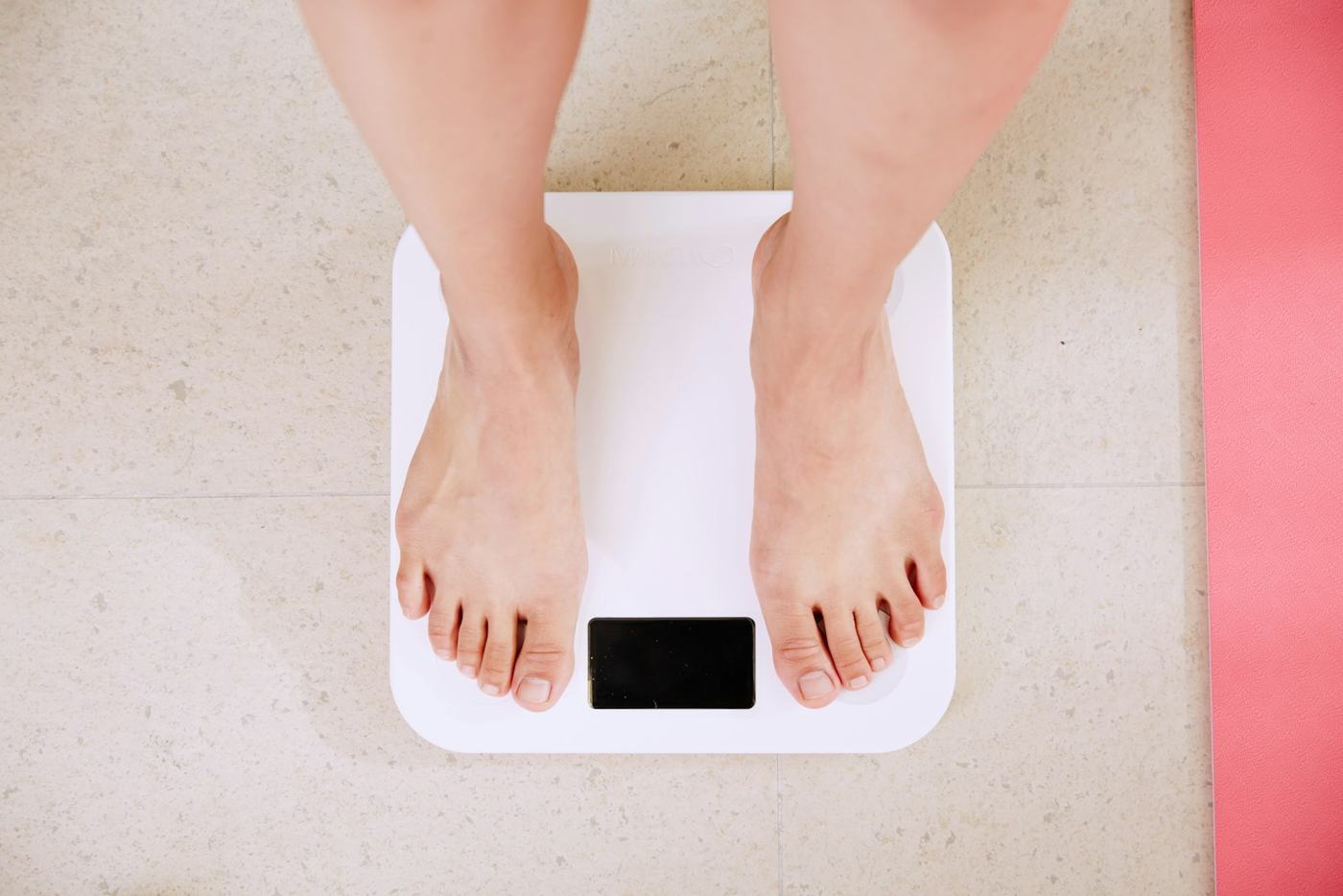
Making weight means weighing at or below your sport’s weight class limit at the official weigh-in. In wrestling, MMA, boxing, and other combat sports, you must meet that limit to compete in your chosen division. Making weight does not always mean losing weight. It means showing up at the scale at an eligible weight.
What making weight means
When a wrestler says, “I made weight,” they mean they passed the official weigh-in for their weight class.
Every weight class has a limit. Your job is to be at or below that limit when the official checks your weight.
For example, if you compete in a class with a set limit, being under that limit means you made weight. Being over it means you missed weight.
There is a difference between your normal body weight and the weight you need to meet for competition. Some athletes stay close to their class limit all season. Others follow a gradual weight management plan.
Making weight is not about getting as light as possible. It is about meeting the rules while staying healthy enough to wrestle or fight well.
The goal is to make weight without losing the strength, energy, and focus you need to compete.
Weight classes and the official weigh-in
Weight classes group athletes by body weight so competitors face opponents of a similar size.
In high school wrestling, the National Federation of State High School Associations (NFHS) establishes weight class options, but states choose which sets to use.
Here are examples from the NFHS weight classes:
| Division | Example weight classes |
|---|---|
| High school boys | 106, 150, and 285 lb are NFHS options; states may use sets of 12, 13, or 14 classes NFHS |
| High school girls | 100, 145, and 235 lb are NFHS options NFHS |
See our weight classes guide for more divisions and class limits.
When do wrestlers weigh in?
The official weigh-in happens before competition. An official checks your weight on an approved scale and determines whether you meet your class limit.
For NCAA men’s and women’s wrestling, weigh-ins take place no more than two hours before competition, with two hours as the default unless coaches agree to a shorter window NCAA.
In NCAA men’s wrestling, a team cannot weigh in more than once per day NCAA.
Other combat sports may weigh athletes at different times. That changes how you should plan your meals, hydration, and recovery.
Read our guide to same-day vs. day-before weigh-ins to understand why timing matters.
Making weight vs. cutting weight
These terms are related, but they do not mean the same thing.
- Making weight: Meeting your weight class limit at the official weigh-in.
- Cutting weight: Trying to reduce your body weight so you can meet that limit.
You can make weight without cutting weight.
If your normal weight already fits your division, you may only need to maintain it through regular training, meals, and hydration.
Cutting weight becomes an issue when your current weight is above your chosen class limit.
There is also a difference between gradually reducing body weight and trying to force the scale down through dehydration.
In high school wrestling, minimum weight certification protects athletes from dropping below an assessed body fat floor. The NFHS floor is 7% for boys, while the girls’ floor increased from 12% to 19% beginning with the 2026-27 season NFHS.
Your certified minimum is a lower boundary, not a target you must reach.
A weight class that lets you eat, recover, and perform consistently is usually a better choice than one that requires constant struggle with the scale.
What happens if you miss weight?
Missing weight means your official scale reading is above the allowed limit for your division.
The consequences depend on your sport and competition rules.
In wrestling
If you miss weight, you generally cannot wrestle in that weight class that day.
Your coach may need to change the lineup or check whether another eligible class is available under the event rules.
Missing weight can affect more than your match. It can also affect your team’s plans and your confidence going into competition.
Do not try to fix a missed weigh-in through dangerous last-minute weight loss.
In UFC fights
Missing weight in the UFC can lead to forfeiting part of your fight purse to your opponent, competing at an agreed catchweight, or having the fight canceled. A champion who misses championship weight cannot keep the title UFC.
The consequences are serious because both fighters prepared for a specific division.
For any combat sport, learn the event’s weight rules before choosing your class.
Weight allowances that help you make weight
Some competitions allow athletes to weigh slightly more than the normal division limit.
These are called weight allowances.
They are part of the official rules, not permission to ignore your weight management plan.
High school wrestling growth allowances
High school wrestling has growth allowances that add extra pounds to weight classes later in the season. Each state association decides when its allowance begins and how it applies state wrestling rules.
Check your state’s rules rather than assuming every tournament uses the same limit.
NCAA wrestling allowances
For NCAA men’s and women’s wrestling, back-to-back team competition or duals within a 48-hour window can provide a 1-pound allowance for the later event. That allowance is capped at 1 pound, regardless of how many back-to-back events occur NCAA.
For NCAA multi-day tournaments, wrestlers receive a 1-pound allowance for each consecutive day of competition NCAA.
UFC weight allowances
For non-title UFC fights, athletes receive a one-pound allowance above the division limit. A lightweight fighter can weigh up to 156 lb, while title fights require athletes to meet the exact division limit UFC.
Rule check: Always confirm the allowance with your coach or event organizer before relying on it.
How to make weight the right way
The safest approach is to plan your weight management over time instead of trying to change your weight right before the scale.
Start by choosing a realistic weight class. Talk with your coach, parent, and a qualified sports healthcare professional about whether that class fits your body and training needs.
For high school wrestling, the season-long weight management plan limits weight loss to a maximum of 1.5% of body weight per week, starting from the initial assessment GIAA.
Good preparation means:
- Know your weight class. Understand your certified minimum and the competition limit.
- Plan early. Avoid leaving weight changes until the night before your match.
- Eat regular meals. Give your body enough energy for practice, school, and recovery.
- Stay hydrated. Drink normally and do not restrict water before testing or competition.
- Watch your performance. Notice changes in strength, energy, concentration, and recovery.
- Know your weigh-in time. Plan meals and travel around the actual schedule.
- Prepare for after the scale. Have food and fluids ready so you can refuel before competing.
Safety: Saunas, sweat suits, plastic suits, spitting, diuretics, laxatives, vomiting, fasting, and water restriction are dangerous ways to force weight loss. They can harm your health and performance. Never restrict water to pass a hydration test or make weight.
If you are struggling to reach your class while eating and drinking normally, talk with your coach and a qualified healthcare professional about moving to a more suitable division.
For a practical starting point, read how to cut weight for wrestling.
What to do next
Making weight should be part of a plan, not a last-minute emergency.
Before your next competition:
- Confirm your weight class and any official allowances.
- Check your current weight against your eligible class.
- Find out exactly when the official weigh-in takes place.
- Plan your meals, hydration, and recovery around training.
- Talk with your coach if your target weight does not feel realistic.
Use the weigh-in countdown to see how much time remains before your competition.
CutCoach can also help you organize your preparation. The app builds a day by day plan for calories, water, meals, and refueling after the scale based on your weight, weight class, and weigh-in date. It is available on iPhone and Android.
Remember, making weight is only part of competing. You still need the strength, energy, and focus to perform when the match begins.