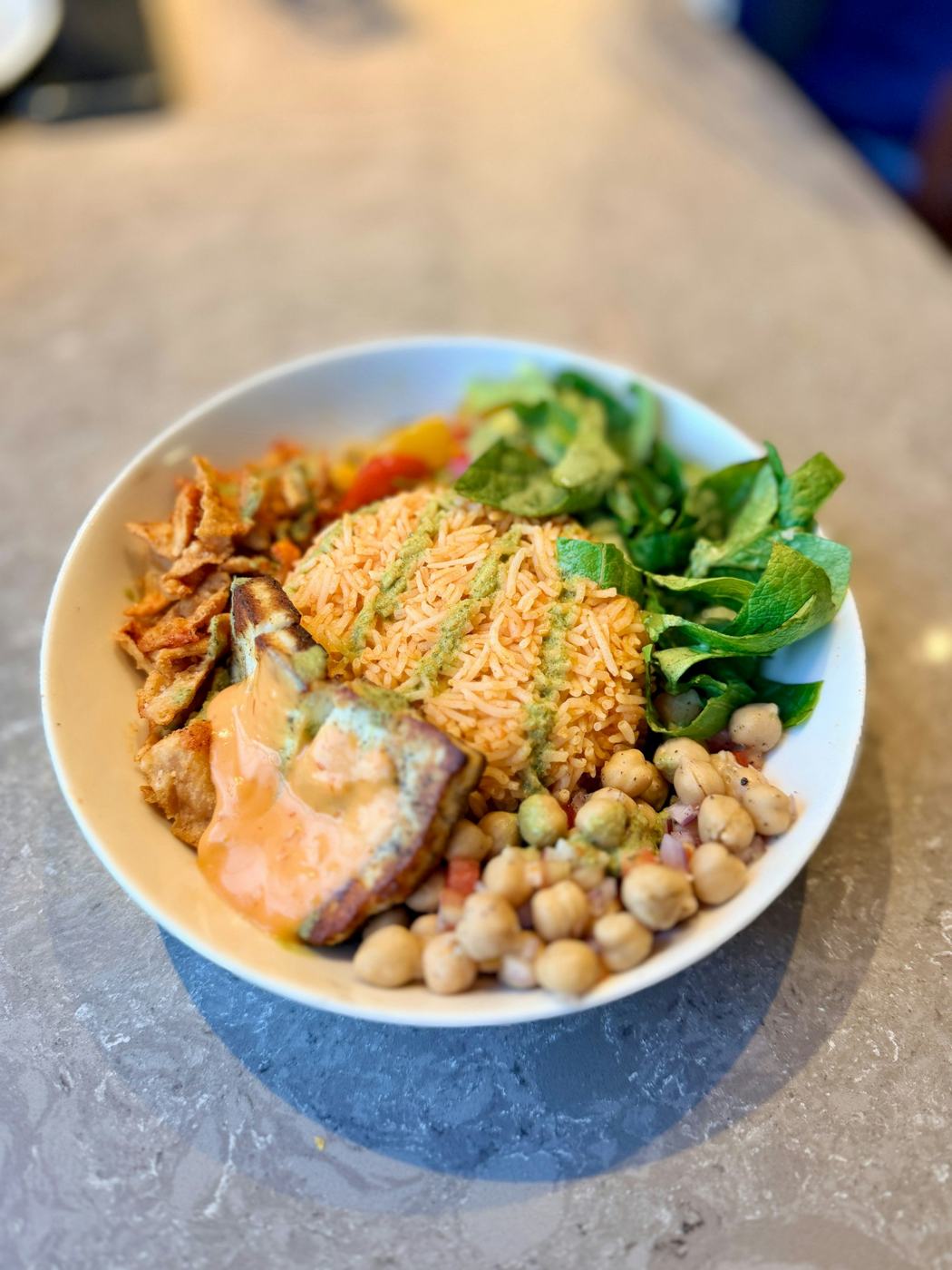
A good wrestling meal plan keeps you fueled for practice while helping you move toward your weight class gradually. Eat regular meals built around carbohydrates, lean protein, fruit, and vegetables, with a snack before practice and a recovery meal afterward. This 7-day meal plan uses everyday foods you can find at any grocery store. You do not need to skip meals, count every calorie, or go hungry to make progress.
How does this wrestling meal plan work?
The goal is to eat enough to wrestle well while managing your weight over the season. That means keeping your energy up for drilling, live wrestling, strength training, and recovery.
Build your meals around these foods:
- Carbohydrates: Rice, oatmeal, potatoes, pasta, bread, and fruit give you fuel for training.
- Protein: Chicken, turkey, eggs, fish, yogurt, and beans help your body recover.
- Fruit and vegetables: Add color and variety to meals. They provide vitamins, minerals, and fiber.
- Healthy fats: Nuts, olive oil, avocado, and peanut butter help round out your diet.
- Fluids: Drink water regularly throughout the day, including before and after practice.
You should eat breakfast, lunch, and dinner, plus snacks when you need them. Skipping lunch to make the scale look better can leave you hungry and tired by practice.
This is a food pattern, not a strict calorie prescription. Your portion sizes will depend on your body size, training load, age, and whether you are still growing.
You can rotate the meals, swap foods you dislike, or repeat your favorites. What matters is getting enough nutrition while keeping your weight changes gradual.
For more detail on building a complete diet, see our wrestling diet plan.
How much weight can a wrestler lose in a week?
High school wrestling weight management rules limit weight loss to a maximum of 1.5% of body weight per week, starting from the initial assessment as part of a season-long plan. NFHS
Rule check: That maximum is a limit, not a goal you should try to hit every week.
Sports nutrition research suggests that losing less than 1% of body weight per week may better protect muscle mass and athletic performance. Sports nutrition position
Your age matters, too. The American Academy of Pediatrics recommends no more than 1 pound of weight loss per week for a growing athlete with excess body fat, and up to 2 pounds per week for a mature athlete. AAP
A wrestler who is still growing may need a different plan from a college wrestler who has finished growing.
The scale also cannot tell you whether weight changes come from fat, muscle, or water.
The National Athletic Trainers’ Association recommends measuring weight while properly hydrated and limiting weekly loss to 1.5% of body weight. NATA
Use the wrestling descent plan calculator to understand how your certified starting weight and target class fit into your season.
The 7-day wrestling meal plan
Here is a sample week of meals for a wrestler training after school. It includes familiar foods, simple preparation, and enough variety to keep eating enjoyable.
The last day shows how you might eat on a match day. Adjust the schedule to fit your actual practice and competition times.
| Day | Breakfast | Lunch | Pre-practice snack | Dinner |
|---|---|---|---|---|
| Day 1 | Oatmeal with banana and peanut butter, scrambled eggs | Grilled chicken, brown rice, steamed broccoli | Greek yogurt and berries | Turkey meatballs, whole wheat pasta, green beans |
| Day 2 | Scrambled eggs, whole wheat toast, orange | Turkey and cheese wrap, carrots, apple | Banana and pretzels | Baked salmon, roasted potatoes, spinach |
| Day 3 | Greek yogurt with granola and strawberries, toast | Chicken burrito bowl with rice, beans, lettuce, and salsa | Toast with peanut butter | Grilled chicken, sweet potato, mixed vegetables |
| Day 4 | Oatmeal with blueberries, eggs | Tuna sandwich, cucumber, grapes | Yogurt and banana | Lean ground beef tacos with rice and vegetables |
| Day 5 | Egg and cheese sandwich, apple | Turkey wrap, baked potato, carrots | Crackers, cheese, and fruit | Chicken stir-fry with rice and vegetables |
| Day 6 | Whole wheat pancakes, scrambled eggs, berries | Chicken pasta salad with vegetables | Banana and yogurt | Baked fish, mashed potatoes, green beans |
| Day 7 (match day) | Toast, scrambled eggs, banana | White rice, grilled chicken, cooked carrots | Applesauce, pretzels, or a plain bagel before matches | Chicken, rice, cooked vegetables, and yogurt after matches |
How to use this meal plan
You do not have to eat every meal exactly as written.
If your family makes chicken and potatoes for dinner, eat that. If you have leftover pasta for lunch, that works, too.
Try to keep the same basic pattern: a source of carbohydrate, protein, and fruit or vegetables.
Bring your snack to school so you are not heading into wrestling practice on an empty stomach.
On match days, you may prefer simpler foods. A plain bagel, banana, white rice, or applesauce can be easier to tolerate than a large meal full of fiber.
After your final match, eat a proper recovery meal instead of treating the end of competition as another reason to avoid food.
How big should a wrestler’s portions be?
You can use your hands and your plate to build meals without weighing food.
- Carbohydrates: Use a fist-sized serving of rice, pasta, oatmeal, or potatoes as a starting point. Add more when training demands it.
- Protein: A palm-sized serving of chicken, turkey, fish, or another protein is a practical visual guide.
- Vegetables and fruit: Include produce with meals and choose a variety across the week.
- Healthy fats: Add foods such as nuts, olive oil, avocado, or peanut butter.
- Extra food: If you finish eating and remain hungry, especially after hard practice, you may need more.
These are starting points, not maximum portions.
A larger wrestler generally needs more food than a smaller wrestler. A hard training day may also require more carbohydrate than a light technique day.
Young athletes need enough energy for normal growth as well as sports training. The AAP emphasizes that their diets must support daily activity, development, and exercise. AAP
Do not treat the plate method as a way to restrict food aggressively. If you are constantly hungry, exhausted, or struggling to finish practice, your intake may not be meeting your needs.
What should wrestlers eat before and after practice?
Your meal timing can make a noticeable difference in how you feel on the mat.
Before wrestling practice
Eat a regular meal early enough that you have time to digest it. If practice starts after school, lunch should provide a solid base of fuel.
Choose a simple carbohydrate-rich snack when you get closer to practice.
Good options include:
- Banana and yogurt
- Toast with jam
- Pretzels and fruit
- A plain bagel
- Applesauce and crackers
- A turkey sandwich when you have more time to digest
Avoid experimenting with unfamiliar foods right before a hard workout.
Rich, greasy meals or large amounts of fiber may feel uncomfortable during intense wrestling.
After wrestling practice
Your body needs food and fluids after training. Do not finish practice and then avoid dinner because you are worried about the next weigh-in.
Easy recovery meals include chicken and rice, pasta with meat sauce, an egg sandwich with fruit, or yogurt followed by a full dinner.
Sports nutrition guidance supports carbohydrate before demanding activity, easily digested foods near competition, high-quality protein after exercise, and replacing lost fluids along with sodium after sweaty training. Sports nutrition position
Drink water after training and continue drinking with your meal. Normal foods such as sandwiches, soups, and seasoned rice can contribute sodium to your recovery.
Safety: Do not purposely dehydrate yourself to reach a target weight. Saunas, sweat suits, plastic suits, spitting, laxatives, diuretics, vomiting, and fasting are dangerous approaches to making weight.
For more portable food ideas, see our best snacks for wrestlers.
Wrestling meal plan grocery shopping list
You do not need expensive supplements or specialty foods. Most of this plan can be made with basic groceries.
- Carbohydrates: Oatmeal, brown rice, white rice, whole wheat bread, bagels, tortillas, pasta, potatoes, sweet potatoes, granola, and cereal.
- Protein: Eggs, chicken breast, ground turkey, lean beef, canned tuna, salmon, beans, and peanut butter.
- Fruit and vegetables: Bananas, apples, oranges, berries, grapes, broccoli, carrots, spinach, green beans, lettuce, and frozen mixed vegetables.
- Dairy: Milk, Greek yogurt, regular yogurt, cottage cheese, and cheese.
- Snacks for your bag: Pretzels, crackers, granola bars, bananas, applesauce pouches, trail mix, and shelf-stable snacks.
Frozen vegetables, canned beans, and bulk rice can make meal preparation easier and reduce grocery costs.
Prepare food ahead when your schedule is busy. Cook extra chicken, rice, or pasta at dinner and pack leftovers for school.
Keep foods that need refrigeration in an insulated lunch bag with a cold pack.
How to adjust your wrestling meal plan
Your weight, hunger, and practice performance will help you understand whether the meal pattern fits your needs.
If your weight is dropping too fast: Eat more. Increase your meals and snacks rather than trying to keep losing at that pace. Include more carbohydrate around training and make sure you are recovering well.
If your weight is not changing: Do not immediately skip meals or cut out carbohydrates. Look at your longer-term weight pattern and speak with your coach, parent, athletic trainer, or sports dietitian before changing your intake.
If you feel weak during practice: Review whether you are eating enough at breakfast and lunch. Make sure you have food before practice and eat afterward. Persistent fatigue or poor performance deserves attention.
If you are hungry all the time: Your portions may be too small for your training and growth needs. Add food and discuss your plan with a qualified professional.
If you are close to your certified minimum weight: Do not push below your approved minimum or attempt to force the scale down through dehydration.
Combat sports nutrition guidance sets minimum intake levels for carbohydrates, protein, and fat during weight descent. Cutting food aggressively should not mean dropping below those recommended nutrient floors. ISSN
The AAP advises starting weight management early enough for gradual change, maintaining a stable weight after reaching the goal, and involving a registered dietitian when available. AAP
A registered dietitian nutritionist, ideally with sports nutrition experience, can help build a plan around your body size, training, and growth needs. Sports nutrition guidance
What should you do next?
Start by choosing meals from the table that you already enjoy. Make your grocery list, prepare school lunches, and keep practice snacks ready.
Then check your certified weight and make sure your target class is realistic.
If you need a full explanation of the weight management process, read how to cut weight for wrestling safely.
If you are trying to lose a small amount before competition, see how to cut 5 pounds for wrestling for guidance on planning ahead without extreme last-minute methods.
You can also use the CutCoach app to build a day-by-day plan from your weight, weight class, and weigh-in date. It organizes calories, water, meals, and refueling after the scale, and is available on iPhone and Android.
The best wrestling diet is one you can follow while staying healthy, training hard, recovering properly, and enjoying food.