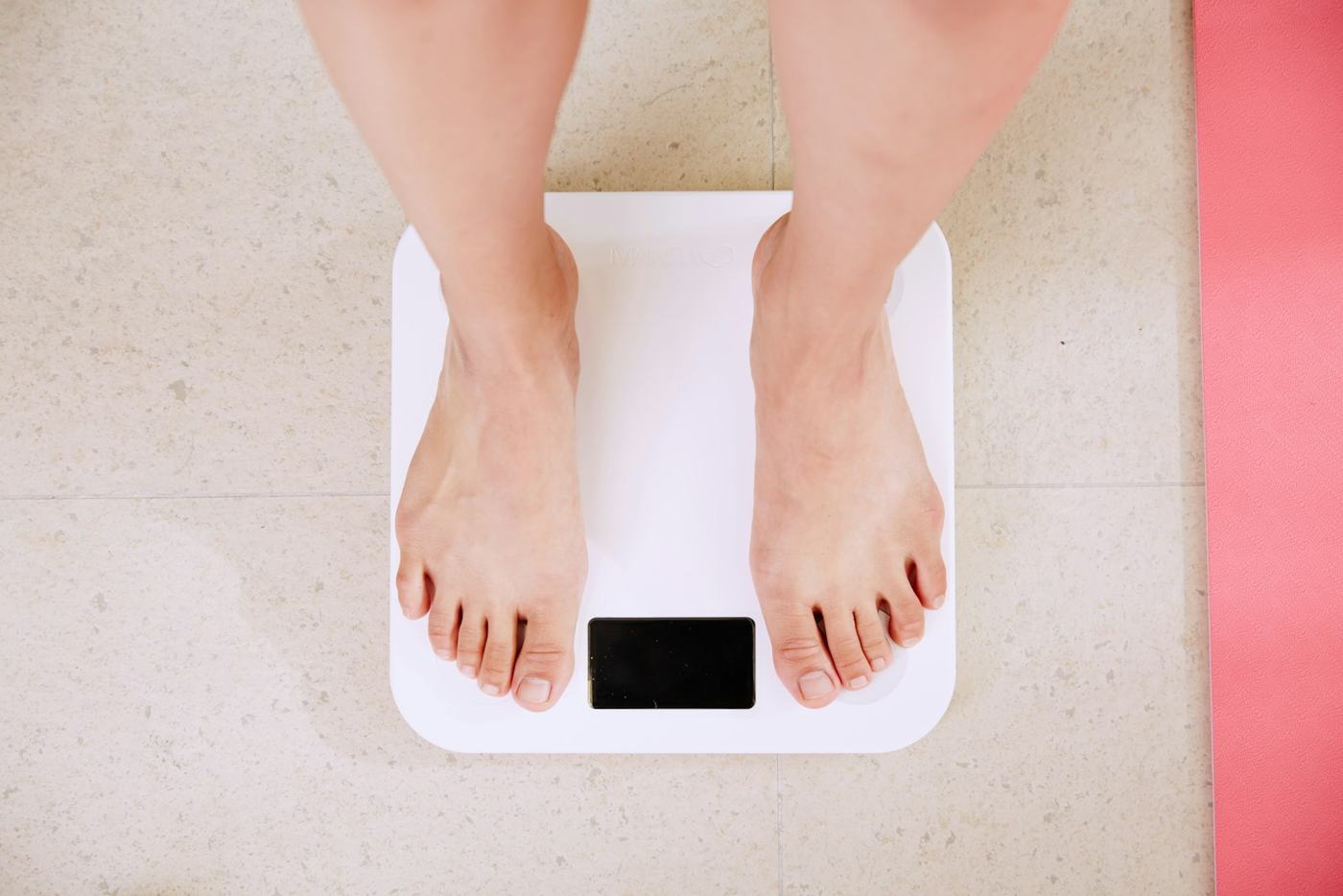
Trying to cut 5 pounds in a day or 2 days for wrestling? Do not try to force that drop. High school weight management rules limit planned weight loss to 1.5% of body weight per week, starting from your initial assessment. GIAA
A sudden drop of that size is mostly water, not body fat. The CDC warns that there is no established safe limit for rapid weight loss involving dehydration and says intentional dehydration for weight cutting should be prohibited. CDC
Can you cut 5 pounds in a day for wrestling?
You might see your scale drop quickly after a hard practice. That does not mean you have safely lost body fat. Much of that change can come from sweat and temporary fluid loss.
Trying to make that happen on purpose is dangerous.
Your body needs water to control temperature, keep your muscles working, and help you stay focused. Losing fluid right before a match can leave you weaker when you need to perform your best.
There is also a difference between what the scale shows and what your wrestling weight management plan allows.
A lower reading does not automatically mean you are cleared to wrestle in a lower class. Your weight certification and approved descent plan still matter.
Rule check: You cannot use a last-minute water cut to replace the gradual weight loss required by a high school descent plan.
If you are still over your target class shortly before weigh-in, talk to your coach. Ask whether wrestling the next class up is the better choice.
That may not be the answer you wanted, but showing up hydrated, fueled, and ready to wrestle matters more than forcing the scale down.
How much weight can you lose under the 1.5% rule?
Your starting weight changes how much you can lose within a weekly descent limit.
The National Athletic Trainers’ Association recommends that weight loss not exceed 1.5% of body weight per week and that weight be measured while hydrated. NATA
Here is what the weekly math looks like at different starting weights.
| Starting weight | Maximum weekly loss at 1.5% | Approximate time for a 5 lb descent |
|---|---|---|
| 120 lb | 1.8 lb | About 3 weeks |
| 150 lb | 2.25 lb | A little over 2 weeks |
| 175 lb | About 2.6 lb | About 2 weeks |
| 215 lb | About 3.2 lb | About 2 weeks |
These are planning estimates, not promises that you will lose the weight or qualify for a particular class.
Your approved descent schedule controls when you can reach your target. A simple calculation does not replace your certification.
For example, if you weigh 150 pounds and want to reach 145, you cannot treat those 5 pounds as something to lose during the final practice before weigh-in.
You need a plan that spreads the change across the season while protecting your health and training.
College wrestlers have a similar weekly limit of 1.5% under the NCAA weight management program, along with a 5% body fat floor. NCAA
Want to see the schedule for your own weight?
Use the descent plan calculator to estimate when your target class might become available under the weekly limit.
Why losing 5 pounds in a day is mostly water
Your body weight can change throughout the day.
Food, drinks, sweat, and normal fluid changes all affect the number on the scale. A sudden drop does not mean that the same amount of body fat has disappeared.
Think about what happens during wrestling practice.
You work hard, sweat, and sometimes finish lighter than when you started. Much of that difference comes from fluid leaving your body.
Sports nutrition guidance estimates that losing 1 pound during exercise represents about 15 fluid ounces of sweat, not a pound of body fat. Sports Nutrition Position Paper
That is why chasing a lower number immediately after practice can be misleading.
You may appear closer to your weight class while actually being less prepared to compete.
Fluid deficits above 2% of body weight can affect thinking and aerobic performance, and intentional dehydration can be difficult to reverse between weigh-in and competition. Sports Nutrition Position Paper
This matters even more when your match follows your weigh-in on the same day.
A combat sports nutrition position stand explains that replacing 125% to 150% of sweat losses can be achievable with 24 to 36 hours of recovery but is often impractical when weigh-ins and competition happen on the same day. ISSN
For wrestlers with same-day weigh-ins, the same guidance favors managing body fat and lean mass over relying on last-minute water loss. ISSN
If you want to understand what changes on the scale actually mean, read our guide to water weight before weigh-in.
Why fast weight cuts are dangerous for wrestlers
A fast cut can affect more than your weight.
You need strength to finish a takedown, endurance to keep moving, and concentration to react to your opponent.
Dehydration can hurt those abilities.
The NFHS reports that dehydration of 3% to 5% reduces strength and muscular endurance, and that dehydrated wrestlers performed worse on concussion screening tests. NFHS
The medical risks can also be severe.
NFHS sports medicine physicians warn that dehydration can lead to life-threatening heat illness, rhabdomyolysis, kidney failure, and cardiac arrest. NFHS
Research on combat sports has also found that athletes who reduced more than 5% of body mass had a higher chance of injury during competition, while rapid weight loss can harm physical and mental performance. JISSN
These warnings are not just theoretical.
In 1997, a 19-year-old North Carolina wrestler died after losing about 9 pounds in roughly 12 hours, following a loss of about 23 pounds over the previous 10 weeks. CDC
Safety: Do not try to force a weigh-in through dehydration. Saunas, sweat suits, plastic clothing, spitting, diuretics, laxatives, vomiting, fasting, and water restriction are not safe shortcuts.
The American Academy of Pediatrics identifies practices such as fluid restriction, excessive exercise, stimulants, steam baths, and exercising in nonpermeable clothing as unhealthy weight control methods for young athletes. AAP
If you feel dizzy, unusually weak, confused, or sick during a weight cut, stop the activity and tell your coach, athletic trainer, or parent. Seek medical help rather than trying to finish the cut.
Does the wrestling hydration test catch dehydration?
Yes. The hydration test is designed to check whether you are hydrated enough for the weight assessment process.
It uses a urine sample to measure specific gravity.
At a high school assessment, the urine sample must have a specific gravity of 1.025 or lower. If you fail, the body fat assessment is not completed that day, and the state determines when you can retest, with the GIAA handbook specifying a 48-hour wait. GIAA
For NCAA wrestlers, the hydration limit is 1.020 or lower, and athletes who fail must wait at least 24 hours before returning for another assessment. NCAA
The key point is simple: your assessment is supposed to reflect your normal, hydrated body.
Trying to manipulate water intake to change your weight or test result defeats the purpose of the process.
Do not stop drinking water before the test. Do not attempt to trick it.
Drink normally, follow your school’s assessment instructions, and let the process measure your actual condition.
Passing a hydration test also does not mean that any later rapid weight cut is safe.
What if you are 5 pounds over your wrestling class this week?
First, find out where you stand in your approved descent plan.
Do not assume that being above your target means you need to lose the entire amount before the next weigh-in.
Here is a safer way to handle the situation:
- Tell your coach your current weight. Be direct about how far you are from your target. Do not hide your weight or try to make a sudden drop without telling anyone.
- Check your approved descent schedule. Your target class may not be available yet, even if your scale shows a lower weight.
- Consider wrestling the next class up. If you are too far above your target, competing at a higher class may be the safer decision.
- Keep eating normal meals. Include protein, carbohydrates, fruits or vegetables, and enough food to support practice and recovery.
- Stay hydrated. Drink normally rather than withholding water to make the scale move.
- Get enough sleep. Recovery matters when you are training hard.
- Plan with your support team. Ask your coach, athletic trainer, and a qualified sports dietitian or healthcare professional for help choosing a realistic goal.
For younger wrestlers, the rate of weight change deserves extra care.
The American Academy of Pediatrics recommends no more than 1 pound per week for a growing athlete with excess body fat and up to 2 pounds per week for a mature athlete. It considers losing more than 2 pounds per week unhealthy. AAP
That is another reason not to treat the rule’s maximum weekly loss as your personal target.
Your body may still be growing. You also need enough energy for school, strength training, wrestling practice, and recovery.
If your current class requires repeated last-minute cuts, ask whether it is the right class for you.
Our guide to how to cut weight for wrestling safely explains how to build a season plan instead of reacting to the scale before every match.
How to avoid a last-minute weight cut next time
The best time to solve a weight problem is before weigh-in week.
You do not need to spend the season guessing whether you will make your class.
Build a routine that helps you notice changes early.
Start with a realistic weight class. Choose a class you can reach while staying healthy, hydrated, and strong. Use the weight class finder to explore your options, then review your certification and descent plan with your coach.
Check your weight consistently. Weigh yourself under similar conditions, such as at the same time each morning. Focus on the overall trend rather than reacting to every small change.
Eat regular meals. Skipping food before practice can make training and recovery harder. Plan meals that support your workload instead of trying to eat as little as possible.
Keep a steady routine. Drinking normally, eating enough, sleeping well, and recovering between practices help you prepare for competition without a last-minute scramble.
Adjust your plan early. If your weight is trending away from your goal, discuss it with your coach before weigh-in week.
Make room for growth. If you are still growing or struggling to feel strong at your current weight, a higher class may make more sense.
For help organizing everyday meals around wrestling, see our meal plan for wrestlers.
The goal is not to have the lightest possible number on the scale.
It is to arrive at competition ready to wrestle.
What should you do next?
If you are looking for a way to lose 5 pounds overnight, change the plan rather than forcing the cut.
Talk to your coach about your next weigh-in, check your certified weight limits, and decide whether your target class is realistic.
If the class is not within reach on your approved schedule, consider the next class up. You can always discuss a gradual descent for later in the season.
CutCoach can help organize that process. The app builds a day by day plan for calories, water, meals, and refueling after the scale using your weight, weight class, and weigh-in date. It is available on iPhone and Android.
Use planning tools alongside guidance from your coach and qualified health professionals, not as permission to push past safe limits.
Making weight should support your wrestling, not leave you exhausted before the match starts.