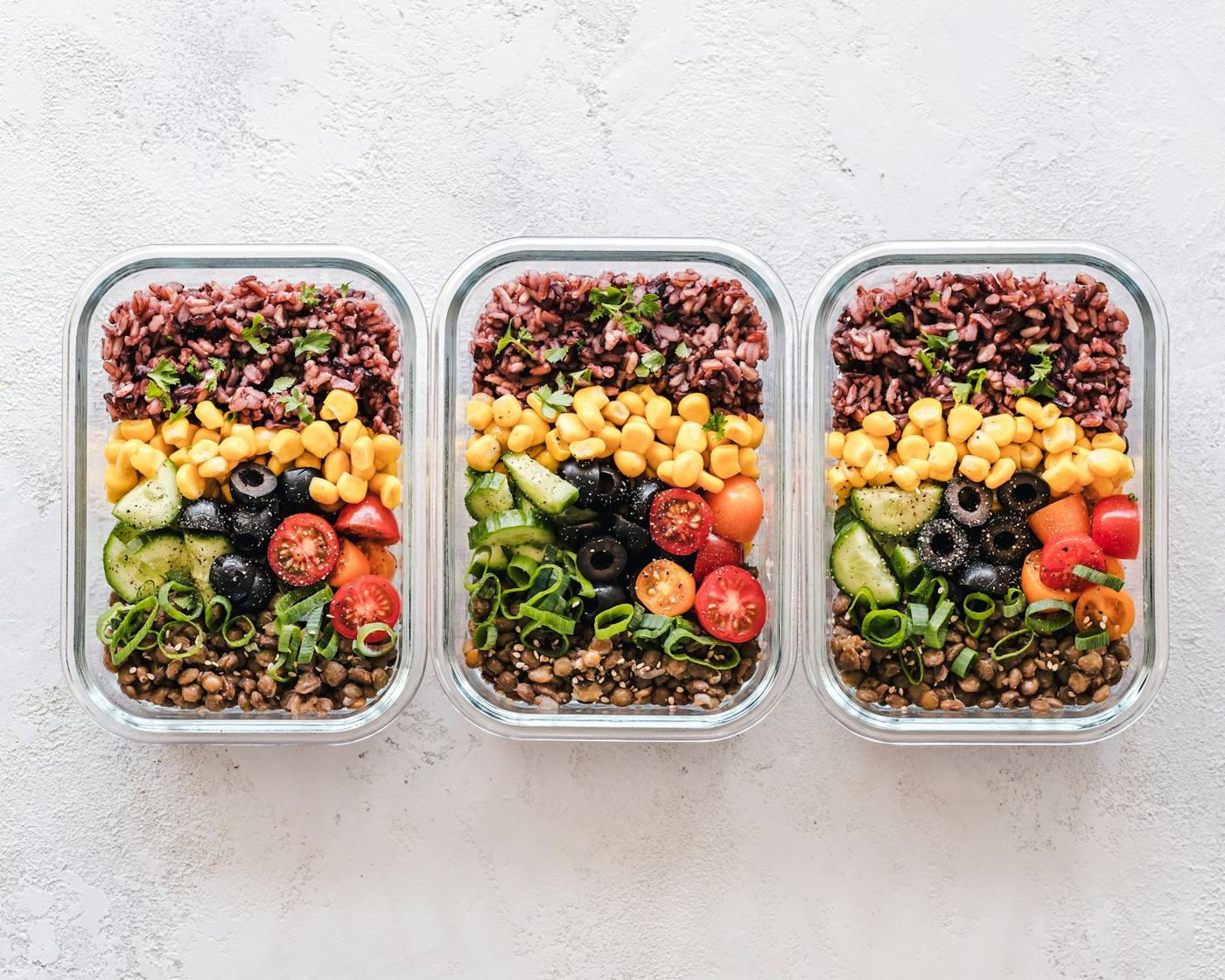
A good wrestling diet gives you enough energy to train hard, recover between practices, and stay strong throughout the season. Build regular meals around carbohydrates for fuel, protein for muscle repair, fruits and vegetables for nutrients, and enough fluids to stay hydrated. If you need to move down a weight class, adjust your eating gradually instead of skipping meals or trying to lose water weight before a weigh-in.
The best diet for wrestlers is one you can follow during school, practice, competition, and recovery. It should help you feel ready to wrestle, not leave you tired and hungry.
What does a good wrestling diet look like?
A wrestling diet should support your training first. You need food to power hard drills, live wrestling, strength work, and recovery. Eating less is not automatically better, even when you want to compete at a lower weight class.
Build most meals with these foods:
- Carbohydrates: Rice, potatoes, pasta, oats, bread, cereal, and fruit provide fuel for training.
- Protein: Chicken, fish, eggs, lean beef, Greek yogurt, milk, beans, and tofu support muscle repair.
- Healthy fats: Nuts, nut butter, olive oil, avocado, and seeds help round out meals.
- Fruits and vegetables: Include a variety across your meals for vitamins, minerals, and fiber.
- Fluids: Drink regularly throughout the day instead of waiting until practice starts.
You do not need a complicated diet. A chicken and rice bowl, turkey sandwich, or eggs with toast can all fit.
Try to eat at regular times. Skipping breakfast and then eating a huge dinner makes it harder to fuel afternoon practice. Keep meals consistent, and add snacks when training demands more energy.
How much carbohydrate do wrestlers need?
Carbohydrates are a wrestler’s main training fuel. Your body uses stored carbohydrate during hard exercise. If you consistently eat too little, it can become harder to maintain training quality.
The Academy of Nutrition and Dietetics, Dietitians of Canada, and American College of Sports Medicine published carbohydrate recommendations based on training load in their 2016 joint sports nutrition position statement. 2016 sports nutrition position statement
| Daily training load | Carbs per kg body weight | Carbs per lb body weight |
|---|---|---|
| Light, skill-based training | 3 to 5 g | 1.4 to 2.3 g |
| Moderate, about 1 hour daily | 5 to 7 g | 2.3 to 3.2 g |
| Moderate to high, 1 to 3 hours daily | 6 to 10 g | 2.7 to 4.5 g |
| Very high, more than 4 to 5 hours daily | 8 to 12 g | 3.6 to 5.5 g |
These are training-based ranges, not mandatory targets for every wrestler. A rest day and a tournament day can require different amounts of fuel.
For younger athletes, the American Academy of Pediatrics describes a healthy sports diet with about 6 to 10 g/kg of carbohydrate daily, while also meeting the energy needs of growth and activity. AAP healthy weight control report
Practical tip: Include carbohydrate foods at breakfast, lunch, and dinner. Add an easy-to-digest carbohydrate snack before training when needed. Do not remove carbs just because you are trying to make weight.
How much protein do wrestlers need?
Protein helps repair muscle after practice and supports strength during the season. Wrestlers benefit from eating protein throughout the day rather than saving most of it for dinner.
The 2016 joint sports nutrition position recommends 1.2 to 2.0 g/kg of protein daily, about 0.55 to 0.9 g/lb, and about 0.3 g/kg after key exercise sessions, with protein spread across meals every 3 to 5 hours. 2016 sports nutrition position statement
The International Society of Sports Nutrition, or ISSN, gives a slightly different daily range of 1.4 to 2.0 g/kg, approximately 0.64 to 0.9 g/lb, for most exercising individuals. ISSN protein position stand
The ISSN also describes about 0.25 g/kg of high-quality protein per serving, or 20 to 40 g, spaced every 3 to 4 hours. ISSN protein position stand
These ranges come from different sports nutrition guidelines. They are not separate targets you need to add together.
Good protein choices include:
- Eggs or Greek yogurt at breakfast
- Chicken, turkey, tuna, or beans at lunch
- Milk, yogurt, or a sandwich after practice
- Fish, lean meat, tofu, or lentils at dinner
Protein powder is not required if you can meet your needs with normal food. More protein also does not make up for too little carbohydrate, fat, or total food.
What should wrestlers eat before practice?
Your pre-practice meal should provide energy without making your stomach feel heavy.
If practice starts later in the afternoon, eat a real lunch. Rice with chicken, a turkey sandwich with fruit, or pasta with a lighter sauce are reasonable choices.
Closer to practice, choose foods that are easy to digest:
- Banana
- Toast with jam
- Applesauce
- Pretzels
- Plain bagel
- Lower-fiber cereal
Avoid making your final pre-practice snack a large, greasy, or high-fiber meal. Heavy foods can be uncomfortable during hard wrestling.
Start drinking fluids before practice, too. Do not arrive thirsty and try to make up for it by drinking a large amount immediately before stepping onto the mat.
Your ideal timing depends on school, practice intensity, meal size, and how your stomach responds. Test different foods during regular training instead of trying something unfamiliar on competition day.
What should wrestlers eat after practice?
After wrestling, your body needs carbohydrate to replace used fuel, protein to support muscle repair, and fluids to replace sweat.
Good recovery choices include:
- Chocolate milk and a banana
- Chicken and rice
- Greek yogurt with fruit and cereal
- Turkey sandwich with milk
- Eggs, toast, and fruit
- A rice bowl with beans and lean meat
Eat a normal meal if dinner is coming soon. If you have a long trip home, bring a recovery snack so you do not go without food until late evening.
High-quality protein soon after exercise supports recovery, but the rest of your daily meals still matter. You do not need to panic about an exact minute.
Replace lost fluids gradually. Drinking with food can help, and normal sodium-containing meals support fluid retention after sweaty workouts. Avoid deliberately restricting salt after a hard practice simply to make the scale lower.
What should wrestlers eat with two practices or multiple matches in one day?
A double-practice day requires more attention to fueling between sessions.
If you finish morning conditioning and have wrestling practice that afternoon, start eating and drinking after the morning session. Waiting until dinner can leave you poorly fueled for the next workout.
The sports nutrition guidance for closely spaced hard sessions includes these carbohydrate targets:
| Situation | Fueling guidance |
|---|---|
| Less than 45 minutes of exercise | Extra carbohydrate during exercise generally unnecessary |
| High-intensity exercise lasting 45 to 75 minutes | Small carbohydrate amounts or a carbohydrate mouth rinse may help |
| Exercise lasting 1 to 2.5 hours | 30 to 60 g carbohydrate per hour |
| Less than 8 hours between hard sessions | 1 to 1.2 g/kg carbohydrate per hour for the first 4 hours of recovery |
Between tournament matches, choose foods you can eat without stomach discomfort.
Useful options include bananas, applesauce pouches, pretzels, simple sandwiches, and other familiar carbohydrate-rich snacks.
During short breaks, smaller portions may be easier than a large meal. Save heavier meals for when you have enough time to digest them.
Practical tip: Pack your food before leaving home. Tournament schedules can change, and relying on whatever food is available at the venue makes consistent fueling harder.
How should wrestlers stay hydrated every day?
Hydration should be part of your normal daily routine, not something you think about only during weigh-ins.
Drink with meals, between classes, and around practice. Pale yellow urine is a useful general sign that you are drinking adequately, although individual needs vary.
Sweat loss depends on workout intensity, room temperature, equipment, and the athlete.
Sports nutrition guidance describes these typical hydration values:
| Measurement | Reference range |
|---|---|
| Sweat loss during exercise | 0.3 to 2.4 L per hour |
| Typical individualized drinking plan | 0.4 to 0.8 L per hour |
| Estimated sweat loss | About 1 L for each 1 kg of body weight lost during exercise |
| Post-exercise fluid replacement | 125% to 150% of the fluid deficit |
To understand your own sweat losses, weigh yourself before and after a normal practice under similar conditions. Account for fluids you drank during the workout. This helps estimate hydration needs, not how much fat you lost.
A fluid deficit above 2% of body weight can impair thinking and aerobic performance. Larger deficits of 3% to 5% more often interfere with high-intensity performance and sports skills.
Safety: Do not intentionally dehydrate yourself to make weight. Also, do not force excessive water intake. Drinking more than your body loses can dangerously lower blood sodium. Symptoms such as headache, nausea, confusion, or seizures after excessive drinking require urgent medical attention.
How can wrestlers eat while losing weight slowly?
If you need to move down a weight class, start with your certified minimum weight and the timeline allowed by your wrestling program.
Rule check: NFHS high school weight management limits weight loss to 1.5% of body weight per week from the initial assessment as part of the season-long descent plan. GIAA weight management handbook
That is a maximum allowed rate, not a weekly goal. Slower changes may support better training and recovery.
The National Athletic Trainers’ Association also recommends measuring weight while hydrated and keeping weekly weight loss within the 1.5% limit. NATA weight management position statement
When reducing weight:
- Keep eating breakfast, lunch, and dinner.
- Continue fueling before and after hard practices.
- Choose filling, balanced meals instead of skipping food.
- Keep carbohydrate available for demanding training.
- Include protein throughout the day.
- Watch how your strength, energy, mood, and recovery respond.
Sports nutrition research suggests that slower weight loss may better protect muscle and performance. Higher protein intake can also help preserve lean tissue during energy restriction, but it does not replace adequate overall nutrition.
The 2025 ISSN combat sports position statement describes weight-descent intake floors of 3.0 to 4.0 g/kg carbohydrate, 1.2 to 2.0 g/kg protein, and 0.5 to 1.0 g/kg/day fat. These are not individual prescriptions for growing wrestlers. ISSN combat sports position stand
If you are still growing, involve a qualified sports dietitian before attempting a calorie deficit.
Use the descent plan calculator to understand your season timeline. For a broader explanation of safe weight management, read how to cut weight for wrestling.
Why is sleep part of a wrestling diet plan?
Food and hydration are not the entire recovery plan. Sleep gives your body time to recover from training and supports the focus you need in school and on the mat.
The American Academy of Sleep Medicine recommends 8 to 10 hours of sleep per day for teenagers ages 13 to 18, and 9 to 12 hours for children ages 6 to 12. AASM pediatric sleep consensus
For adults, the AASM and Sleep Research Society recommend 7 or more hours per night, with additional sleep sometimes appropriate for young adults or recovery from sleep debt. Adult sleep consensus
Make recovery easier by keeping a regular bedtime, eating dinner after practice, and preparing school meals before your next busy day.
Do not sacrifice sleep to squeeze in unnecessary extra exercise just to see a lower number on the scale.
Sample wrestling diet plan for a practice day
Here is a simple example of how you can organize food around an afternoon wrestling practice. It uses normal meals rather than strict portions or calorie targets.
| Meal | Example foods |
|---|---|
| Breakfast | Scrambled eggs, oatmeal, banana, and milk |
| Lunch | Grilled chicken, rice, vegetables, and fruit |
| Pre-practice snack | Bagel with jam and water |
| Post-practice recovery | Greek yogurt, cereal, and berries |
| Dinner | Salmon or chicken, baked potatoes, vegetables, and water |
This is an example, not a complete personalized nutrition prescription. Your portions and any additional snacks should reflect your body size, training, hunger, growth, and recovery needs.
You can swap foods to match your preferences. Rice can become pasta. Chicken can become tofu. Yogurt can become a milk-based smoothie or another protein food.
On an especially demanding training day, you may need more food between meals. On a lighter day, your appetite and carbohydrate needs may change.
For more meal combinations, see the meal plan for wrestlers. If you need easy food to pack for school and tournaments, use the snacks for wrestlers guide.
When should a wrestler see a sports dietitian?
A registered dietitian can help you match your food intake to your training schedule, body size, growth, and weight class goals.
The sports nutrition joint position recommends individualized nutrition plans from a registered dietitian nutritionist. In the United States and Canada, the Certified Specialist in Sports Dietetics, or CSSD, is a credential for sports nutrition expertise. Sports nutrition position statement
The American Academy of Pediatrics also encourages early planning for gradual weight changes and involvement of registered dietitians when available.
Get professional guidance if:
- You are trying to reach a lower class while still growing.
- You regularly feel weak, dizzy, or exhausted during training.
- Your weight changes sharply after practices.
- You feel pressure to skip meals or avoid drinking.
- You struggle to recover between workouts.
- You are unsure whether your target class is appropriate.
A good plan should support your health and wrestling performance together. A lower weight class is not automatically a better one.
What should you do next?
Start by looking at your current meals. Are you eating breakfast? Do you bring food for school? Are you recovering after practice? Are you drinking regularly?
Fix those habits before making major changes to your diet.
If you are planning a weight-class change, check your allowed descent schedule and discuss the goal with your coach, parent, athletic trainer, or sports dietitian.
You can use the weight cut calculator to understand the size of a proposed weight change. CutCoach also builds a day by day plan for calories, water, meals, and refueling after the scale using your weight, weight class, and weigh-in date. It is available on iPhone and Android.
Keep the goal simple: eat enough to practice well, recover consistently, stay hydrated, and compete at a weight that supports your health.