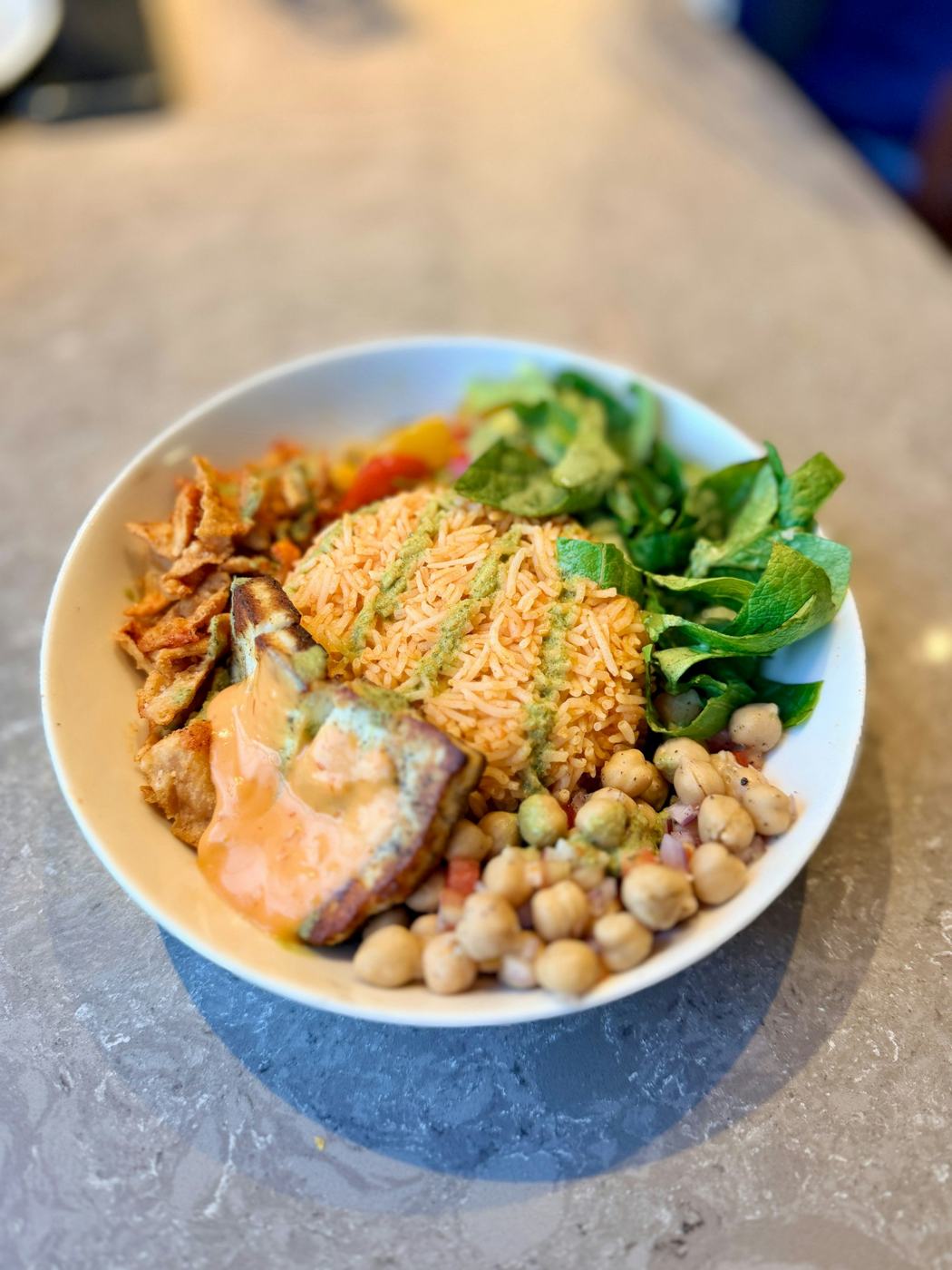
If you are on track for your weight class, eat light, familiar meals before a weigh-in and keep drinking water normally. Choose foods that are easy on your stomach, such as rice, toast, eggs, or chicken. The goal is to arrive fueled and hydrated, not to force your weight down at the last minute.
What to eat before a weigh-in
The best food before a wrestling weigh-in is food your body already knows. Keep your meals simple, eat reasonable portions, and avoid anything that usually makes your stomach feel heavy.
If you have followed your weight management plan, you should not need to make big changes to your eating habits right before stepping on the scale.
Good choices include:
- White rice with chicken or eggs.
- Toast with a familiar protein source.
- A small bowl of oatmeal, if you digest it comfortably.
- A banana with yogurt.
- A simple sandwich with lean protein.
You do not need to eat all these foods. Pick what fits your appetite, schedule, and usual routine.
Rule check: High school wrestling weight management rules based on NFHS guidance limit weight loss to a maximum of 1.5% of body weight per week, starting from the initial assessment as part of a season-long plan. GIAA Weight Management Handbook
That means making weight should be the result of steady planning, not a stressful attempt to change your body the night before.
What to eat the night before a weigh-in
The night before a wrestling weigh-in, eat a normal, comfortable dinner. Choose foods that give you energy without leaving you feeling overly full.
Carbohydrate-rich foods that are easy to digest and relatively low in fiber can help athletes fuel for competition while keeping their stomachs comfortable. Nutrition and Athletic Performance
Here are some practical dinner options:
| Food | Why it can work |
|---|---|
| Chicken with white rice | Familiar protein and carbohydrates |
| Pasta with a simple sauce | Carbohydrates without a complicated meal |
| Eggs with toast | Easy to prepare and adjust to your appetite |
| Turkey sandwich | A simple meal with protein and carbohydrates |
| Rice with cooked vegetables | A familiar option if you tolerate vegetables well |
These are examples, not a required menu. If a food normally upsets your stomach, skip it.
Try to avoid unusually large meals, unfamiliar foods, and heavy dishes that leave you uncomfortable. There is no need to experiment with new foods right before competition.
Does eating less fiber help before a weigh-in?
Food moving through your digestive system can affect the number on the scale. Research on combat sports discusses how changes in fiber intake can affect gut contents and body mass.
But that does not mean you should start an extreme low-fiber diet to make weight. A short-term change in gut contents is not the same as healthy fat loss.
Choose familiar foods for comfort, not as a way to manipulate your weigh-in weight.
Most importantly, do not skip dinner just because you are worried about the scale. Your body still needs energy to wrestle.
What to eat the morning of a wrestling weigh-in
If your schedule allows and you are already on track, a small breakfast can help you feel ready for the day.
Start by checking your weight at home using your usual scale. This gives you a general idea of where you stand before leaving.
Remember that your home scale may not show exactly the same reading as the official scale.
If you have time to eat, choose something familiar:
- Toast with an egg.
- A banana and yogurt.
- A small serving of oatmeal.
- A simple sandwich.
- Rice with a familiar protein.
You do not need a huge breakfast. Eat enough to feel comfortable without forcing food when you are not hungry.
If the weigh-in is very close to your usual breakfast time, talk with your coach about the event schedule and when you can eat comfortably.
The key is not to treat breakfast as something you must sacrifice to make weight.
Also remember that weighing in is not the end of your day. You may have demanding matches afterward.
For meal ideas closer to competition, read what to eat before a wrestling match.
Should you drink water before a weigh-in?
Yes. Keep drinking water normally before your weigh-in.
Do not deliberately dehydrate yourself to get a lower number on the scale.
Water supports your ability to think clearly, move well, and perform during wrestling. Trying to make weight through dehydration can leave you feeling weak before competition even begins.
Rule check: The wrestling assessment hydration test comes before body fat testing. Under the GIAA handbook, urine specific gravity must be 1.025 or lower. Athletes who fail cannot complete body fat testing that day and must wait at least 48 hours before retesting, although each state sets its own waiting period. GIAA Weight Management Handbook
Athletic training guidance also recommends measuring body weight while properly hydrated rather than using a dehydrated weight as your starting point. NATA Position Statement
Safety: Never restrict water before a hydration test or weigh-in. Saunas, sweat suits, plastic suits, spitting, diuretics, laxatives, vomiting, and fasting are dangerous ways to chase a lower scale reading.
Losing water does not mean you have lost body fat. Dehydration can also be difficult to correct before your match, especially when the time between weighing in and competing is short.
If you feel dizzy, faint, confused, or unusually weak, tell your coach, athletic trainer, or parent immediately.
What if you are still over your weight class?
If you are still above your weight class close to the weigh-in, do not panic and try to force the weight off.
Tell your coach what your scale shows. If you are a high school wrestler, involve your parent and athletic trainer as well.
Do not try to solve the problem by skipping meals, stopping water intake, or doing extra exercise in heavy clothing.
A safer approach is to:
- Check your weight against your established weight descent plan.
- Confirm the official weigh-in schedule with your coach.
- Keep eating and drinking normally.
- Ask whether competing in a different eligible weight class makes more sense.
- Review your longer-term plan with your coach and a sports dietitian if available.
The National Athletic Trainers’ Association recommends gradual weight loss of roughly 1 to 2 lb per week and advises athletes in weight-class sports to avoid large swings in body weight during training. NATA Position Statement
Sports nutrition guidance also suggests that losing less than 1% of body weight per week may better preserve lean body mass and athletic performance. Nutrition and Athletic Performance
For adult combat athletes, the International Society of Sports Nutrition describes about 0.5 to 1 kg, or roughly 1.1 to 2.2 lb, per week as a commonly advised pace during a fight camp. ISSN Combat Sports Position Stand
That guidance also emphasizes maintaining enough nutrition during planned weight descent, with carbohydrate intake not below 3.0 to 4.0 g/kg, protein at 1.2 to 2.0 g/kg, and fat at 0.5 to 1.0 g/kg per day. ISSN Combat Sports Position Stand
These are planning considerations, not last-minute targets. Your needs may differ, especially if you are still growing.
Use the weigh-in countdown tool to organize your schedule and understand how much time remains.
If making your current class would require dangerous weight-cutting methods, talk with your coach about a safer option.
What to eat after you make weight
Once the official weigh-in is complete, shift your attention from the scale to your next match.
Start drinking fluids and eat familiar foods that provide carbohydrates and protein.
Good options include a sandwich, rice with chicken, yogurt with fruit, or another meal you know your stomach handles well.
Do not rush into a huge meal just because you are hungry. Eating too much at once may leave you uncomfortable when it is time to wrestle.
If you have been eating and drinking normally, return to your regular competition fueling routine.
If you arrive dehydrated, tell your athletic trainer. Rehydration needs may be different, and drinking a large amount at once is not a substitute for proper hydration beforehand.
For more recovery meal ideas, read what to eat after weigh-ins for wrestling.
What to do next
The easiest weigh-in is one you have prepared for well before competition day.
A good plan should help you maintain energy for school, practice, recovery, and matches while staying within your wrestling program’s weight management requirements.
Before your next event:
- Review your eligible weight class and descent plan.
- Choose familiar meals for the night before and morning.
- Keep your normal drinking routine.
- Discuss any weight concerns with your coach early.
- Plan what you will eat and drink after the scale.
For the bigger picture, read our guide to cutting weight for wrestling.
CutCoach can also help you organize the process. Available on iPhone and Android, it builds a day by day plan for calories, water, meals, and refueling after the scale using your weight, weight class, and weigh-in date.
Your priority should always be arriving healthy, hydrated, and ready to wrestle. Making weight should support your performance, not come at the cost of it.