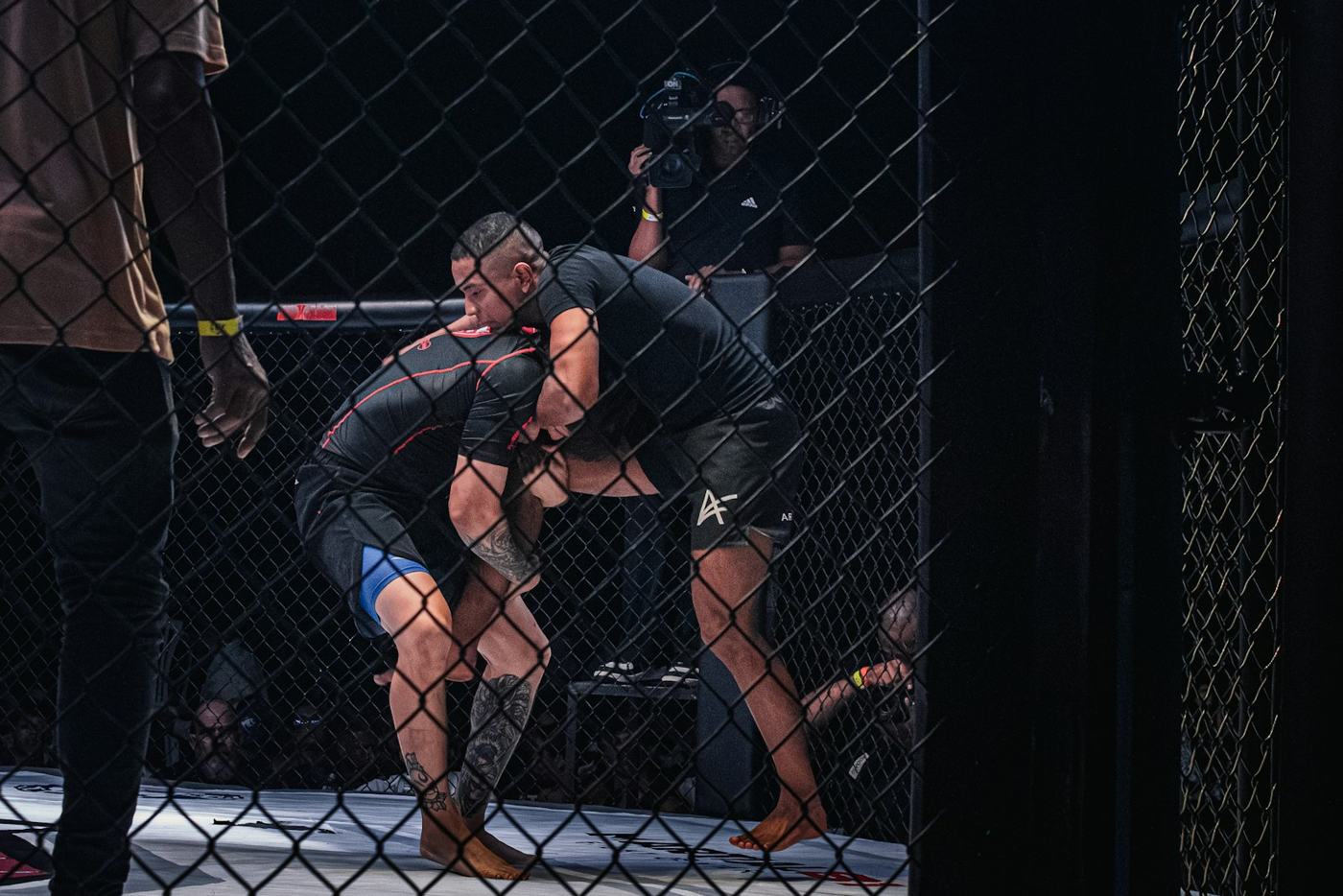
A boxing weight cut starts well before fight week. You work toward your division limit during camp, make weight at the official weigh-in, then refuel before the fight. Some championships also have fight-day weight checks, so making weight the day before does not always mean you can regain as much as you want.
How does a boxing weight cut work?
Boxers cut weight to compete in a division with a set weight limit. The goal is to reach that limit without losing the strength, speed, or focus needed to fight.
A well-planned cut has several parts:
- During camp: Gradually move toward your division limit while eating enough to support training.
- Before the weigh-in: Check your progress against the official limit and any required weight checks.
- At the weigh-in: Make your contracted weight under the rules for your bout.
- After the scale: Replace fluids and fuel without exceeding any fight-day weight limit.
- On fight day: Arrive ready to perform, not simply heavier than you were at the weigh-in.
The biggest mistake is treating the official weigh-in as the only deadline.
Your sanctioning body may also track your weight during camp or require another check before you enter the ring.
Start by comparing your current weight with your division limit. The weight cut calculator can show the total difference and how much of your body weight that represents.
A large gap is a reason to reconsider your division or camp plan, not a reason to force a bigger water cut.
What are the IBF boxing weigh-in rules?
The International Boxing Federation (IBF) has specific rules for championship weigh-ins.
For IBF championship bouts, the initial weigh-in must take place between 20 and 30 hours before the fight, and a boxer who misses weight has 2 hours to make it unless the local commission sets a different period IBF official rules
That gives you a recovery window between the official scale and the bout. But it does not remove the risks of dehydration.
Making weight also does not mean you should immediately eat and drink without a plan.
You need to consider:
- How much fluid you lost before the weigh-in
- Whether your carbohydrate stores are depleted
- How well your stomach handles food after restriction
- Whether another weigh-in applies to your fight
- How much recovery time you actually have
Rule check: Your athletic commission, sanctioning body, and bout agreement determine the requirements for your fight. Confirm them before choosing a target weight.
Do not assume that rules from another promotion or title organization apply to your bout.
What are the IBF fight-day weight limits?
The IBF requires a second weigh-in between 8:00 and 10:00 a.m. on fight day, except for heavyweight championships and unification bouts, and sets the following maximum weights for that check IBF official rules
| Division limit | Maximum fight-day weight |
|---|---|
| 102 lb | 112 lb |
| 105 lb | 115 lb |
| 108 lb | 118 lb |
| 112 lb | 122 lb |
| 115 lb | 125 lb |
| 118 lb | 128 lb |
| 122 lb | 132 lb |
| 126 lb | 136 lb |
| 130 lb | 140 lb |
| 135 lb | 145 lb |
| 140 lb | 150 lb |
| 147 lb | 158 lb |
| 154 lb | 165 lb |
| 160 lb | 172 lb |
| 168 lb | 180 lb |
| 175 lb | 188 lb |
| 200 lb | 214 lb |
These are maximum permitted weights at the second check, not recommended weight-regain targets.
For example, a boxer in the lightweight division must consider both the official lightweight limit and the separate fight-day maximum.
The extra allowance is not an instruction to gain as much weight as possible.
You may feel better at a lower regain amount if your fluid balance, food intake, and recovery are well managed.
Rule check: Do not plan your post-weigh-in meals around unrestricted weight gain when your bout includes a second weigh-in.
A refueling plan should help you recover while respecting the rules.
What are the WBC 30-day and 7-day weight checks?
The World Boxing Council (WBC) uses weight checks before fight week to discourage boxers from arriving at the final weigh-in far above their division limit.
Under the WBC weight scale, a boxer should be no more than 10% above the official division limit at the 30-day check and no more than 5% above it at the 7-day check WBC weight scale
Here is how that applies to a lightweight boxer.
| Weight check | Lightweight example |
|---|---|
| Official division limit | 135 lb |
| 30 days before | 149 lb |
| 7 days before | 142 lb |
These checks make early camp planning especially important.
You cannot judge your preparation only by whether you believe you can make the official scale.
Your weight during camp matters, too.
If your normal training weight is far above your division, you may be setting yourself up for difficult decisions as the fight gets closer.
Rule check: Check which sanctioning body oversees your bout and whether its weight monitoring requirements apply. Do not assume the IBF and WBC use the same system.
How fast should boxers lose weight during camp?
Gradual weight loss gives you more room to protect your training.
The 2025 International Society of Sports Nutrition position stand says combat athletes are commonly advised to aim for 0.5 to 1 kg, about 1.1 to 2.2 lb, of weight loss per week during camp, and recommends minimum macronutrient intake ranges during weight descent ISSN position stand
| Nutrient | Do not drop below (during weight descent) |
|---|---|
| Carbohydrate | 3.0 to 4.0 g/kg |
| Protein | 1.2 to 2.0 g/kg |
| Fat | 0.5 to 1.0 g/kg per day |
These ranges are not a personalized meal plan. Your intake needs depend on your training and individual circumstances.
For boxing, eating too little can work against the purpose of camp.
You still need energy for bag work, sparring, movement, and conditioning. You also need enough food to recover between sessions.
Build meals around useful foods such as rice, potatoes, oats, eggs, lean meat, fish, fruit, and vegetables.
Include protein regularly. Keep carbohydrates available to support harder sessions.
Your daily food choices should help you train, not simply make the scale move.
If progress requires constant hunger, poor workouts, or severe fluid restriction, reconsider the plan with a qualified sports dietitian.
Why are big water cuts risky for boxers?
Rapid water loss can change your scale weight without providing the same benefits as gradual weight loss.
The problem is that water is needed for normal physical and mental performance.
A joint sports nutrition position statement reports that fluid deficits above 2% of body weight can impair thinking and aerobic performance, while losses of 3% to 5% more often harm high-intensity performance and sport skills Sports nutrition position statement
For a boxer, those effects matter.
Boxing requires fast decisions, timing, footwork, and sustained effort. A lower number on the scale is not useful if you enter the ring less capable of performing.
A 2012 review found that athletes who lost more than 5% of body mass had a higher probability of injury during competition, and warned that rapid weight loss can affect physical and cognitive abilities and may increase the risk of death JISSN review
A 2025 scoping review also found that rapid weight loss in combat sports consistently harms recovery and increases muscle damage, fatigue, and injury risk Scoping review
These are not problems you can reliably fix just by drinking after the scale.
An American Academy of Pediatrics clinical report notes that up to 67% of athletes in weight-class sports, including boxing and wrestling, attempt acute weight loss through dehydration methods AAP clinical report
Common does not mean safe.
Safety: Avoid dangerous shortcuts such as saunas, sweat suits, diuretics, laxatives, vomiting, and severe water restriction. These are not substitutes for sound weight management.
The long-term effects of frequent weight cuts on health and performance are still uncertain. That is another reason not to build your boxing career around repeated extreme cuts.
How should boxers refuel after the weigh-in?
After making weight, your goal changes from reaching the division limit to preparing your body for competition.
The right recovery plan depends on how much fluid and fuel you lost, what your stomach can tolerate, and whether you have another weight check.
The ISSN position stand outlines the following post-weigh-in recovery guidance ISSN position stand
| Recovery focus | Guidance |
|---|---|
| Rehydration | Oral rehydration solution at 1 to 1.5 L per hour, about 34 to 51 fl oz |
| Early carbohydrate | Fast-acting carbohydrates up to 60 g per hour, as tolerated |
| Fiber | Limit intake to reduce stomach distress |
| Carbohydrate after heavy glycogen depletion | 8 to 12 g/kg |
| Carbohydrate after modest restriction | About 4 to 7 g/kg |
These are sports nutrition research ranges, not amounts every boxer should automatically consume.
Start with a recovery plan matched to your actual needs.
Oral rehydration solutions contain electrolytes that help replace what was lost through sweating. Food then helps restore the energy needed for the fight.
Simple foods such as rice, toast, bananas, potatoes, and familiar protein choices may be easier to tolerate than a large, heavy meal.
Avoid testing unfamiliar foods just because the weigh-in is finished.
Also, more water is not always better.
Drinking more than you lose through sweat and urine is the main cause of exercise-associated hyponatremia, which involves blood sodium below 135 mmol/L and can cause nausea, headache, confusion, seizures, and potentially fatal complications Sports nutrition position statement
Safety: Do not force excessive amounts of plain water. Seek urgent medical care for severe confusion, seizures, or other serious symptoms.
For more detail, see what fighters eat after weigh-ins and use the rehydration calculator to help understand fluid replacement.
If you have an IBF fight-day check, your recovery plan must also account for that weight limit.
Does regaining weight mean a boxer is fully recovered?
Not necessarily.
A higher weight after the scale tells you that mass has returned. It does not prove that your fluid balance, energy stores, or performance have recovered.
A 2026 systematic review and meta-analysis of 40 studies found that combat athletes regained an average pooled 6.23% of body mass after weigh-in, roughly 3.71 kg or 8.2 lb Systematic review
That is a description of observed regain, not a target for your own fight.
The same review concluded that weight regain should not be treated as proof of complete rehydration or restored readiness, and that current evidence is insufficient to identify one superior recovery protocol Systematic review
Recovery time also matters.
A longer window may make fluid replacement more practical. A same-day weigh-in leaves less room for recovery.
Pay attention to how you feel, not just the scale. Persistent dizziness, unusual weakness, or other concerning symptoms deserve medical attention.
A successful weigh-in is only part of successful fight preparation.
How do you choose the right boxing weight class?
The right division is one you can reach while keeping your training quality and health intact.
Do not pick a class solely because you believe you will be bigger than your opponent after regaining weight.
Start with these questions:
- Can you reach the division limit through reasonable weight management during camp?
- Can you keep training well while your weight comes down?
- Are you comfortably within the required weight checks?
- Can you recover adequately between the weigh-in and your fight?
- Would a higher division allow you to perform better and avoid dangerous cutting?
Your normal weight, body composition, training demands, and weigh-in rules all matter.
Compare the official divisions on the boxing weight classes page before committing.
If you compete in different combat sports, remember that weight-cut rules and weigh-in timing can differ. Read the MMA weight cut guide for another combat sports context.
Moving up a division is not a failure. It may be the better decision when a lower class requires excessive restriction.
What should you do next?
Start by confirming the exact weight rules for your fight. Then compare your current weight with your intended division and discuss a realistic camp target with your coach and a qualified sports dietitian.
Plan your meals, hydration, and post-weigh-in recovery together instead of treating them as separate problems.
CutCoach can build a day by day plan for calories, water, meals, and refueling after the scale using your weight, weight class, and weigh-in date. It is available on iPhone and Android.
Before your next bout:
- Confirm your division and sanctioning body.
- Check whether early weight monitoring or a fight-day weigh-in applies.
- Track your weight trend during camp.
- Protect the quality of your training.
- Arrange familiar recovery foods and fluids in advance.
- Reconsider the division if making weight requires dangerous methods.
The goal is not to lose the most weight possible.
The goal is to make weight safely, follow the rules, and enter the ring ready to box.